Understanding Menopause
Menopause is a natural life phase marking the end of menstrual cycles as the ovaries produce less estrogen and progesterone. This transition can influence physical, emotional, and metabolic wellbeing, and every person experiences it differently.
There are several stages within the menopause journey, each with its own characteristics and typical age ranges:
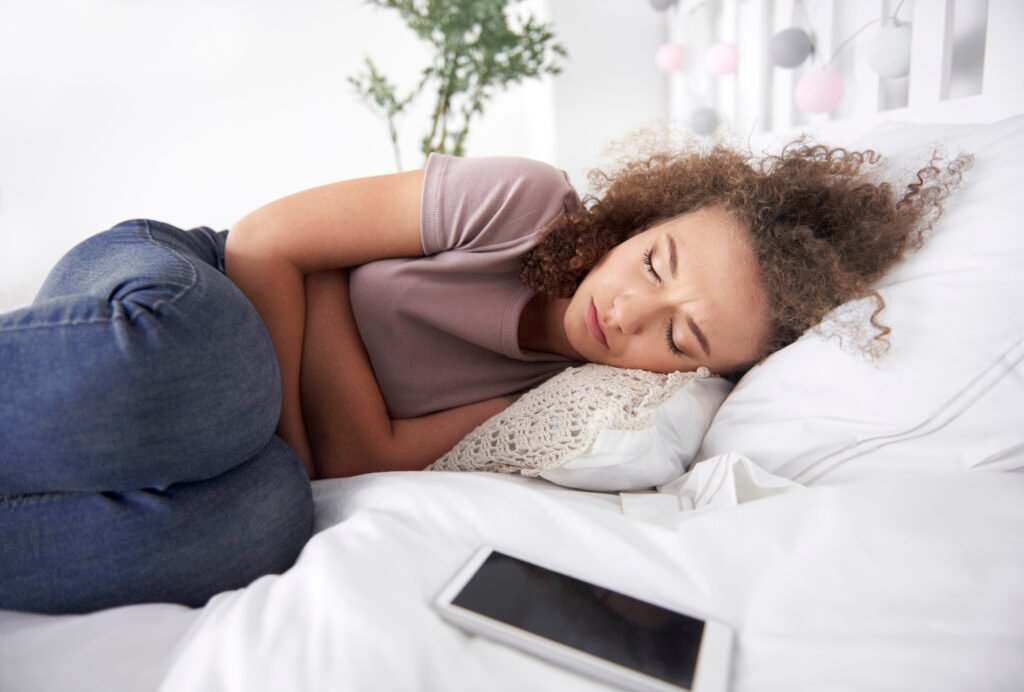
Early Perimenopause (usually mid–30s to early 40s):
Hormone levels begin to fluctuate, but cycles may still appear regular. Subtle symptoms such as sleep disturbances, mood shifts, increased PMS, or occasional hot flashes, may start to appear.
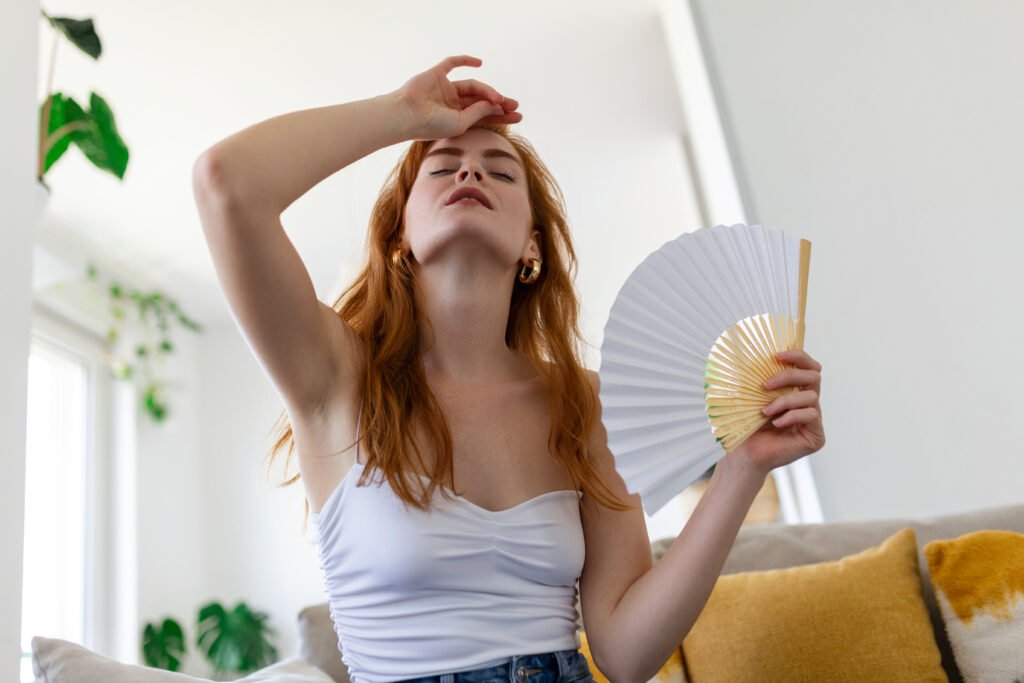
Late Perimenopause (typically mid–40s to late 40s):
Cycles become noticeably irregular or spaced out. Symptoms often intensify, including hot flashes, night sweats, brain fog, irritability, low libido, and vaginal dryness.
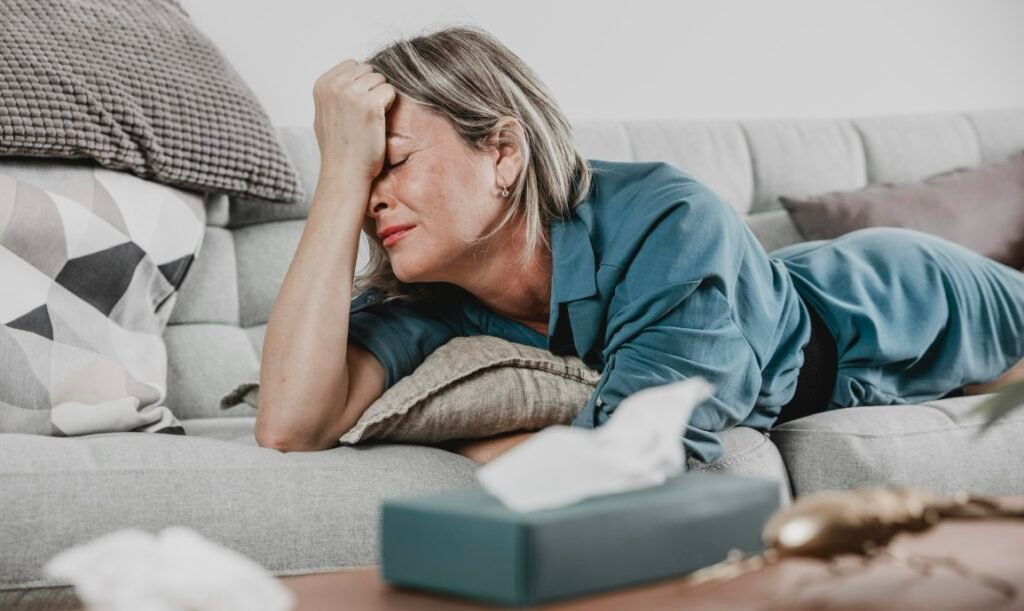
Menopause (most commonly between 45–55):
Defined as 12 consecutive months without a menstrual period. Symptoms may continue but hormone levels stabilize at their lowest point.
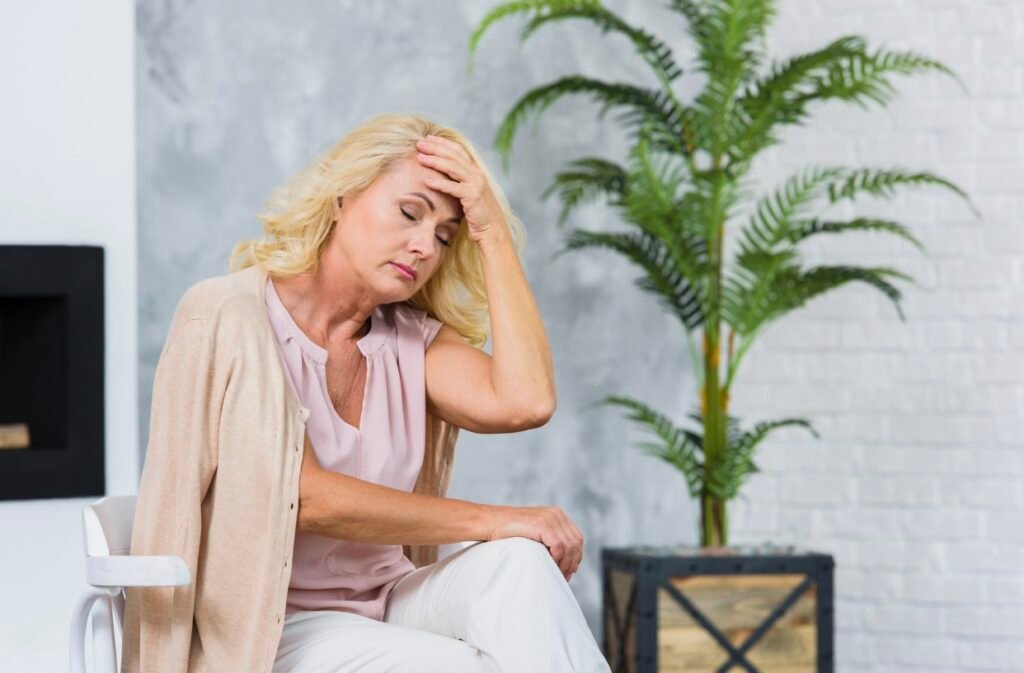
Post-Menopause (from menopause onward):
Some symptoms may ease, while others like vaginal dryness, sleep issues, or urinary changes, may persist. Long-term health shifts related to low estrogen become more important to monitor.
Symptoms of Menopause:
Menopause involves over 34 recognized symptoms, extending far beyond the stereotypical hot flashes and night sweats.
- Hot Flashes/ Night Sweats
- Irritability/ Anxiety/ Depression
- Insomnia
- Irregular/ Heavier Periods
- Low Libido/ Vaginal Dryness
- Weight Gain
- Headaches/ Migraines
- Gum Issues/ Burning Tongue
- Osteoporosis
- Dizziness/ Vertigo
- Fatigue
- Brain Fog
- Hair Thinning/ Dry Itchy Skin
- Urinary Incontinence
- Joint Pain/ Stiffness
- Digestive Issues/ Bloating
- Urinary Tract Infections
- Electric Shock Sensations
- Sore Tender Breasts
- Brittle Nails
- Muscle Mass Loss/ Tension
- Ringing In The Ears
- Increased Heart Rate
- Memory Lapse
Benefits of Hormone Support

What happens without hormone support:
Some women may choose not to use hormone support or may not be able to use it. This can mean managing menopause symptoms with non-hormonal strategies instead. It’s important to discuss options with a healthcare professional to determine the safest approach for your health and symptoms.
What can happen without support:
- Increased long term health considerations
- Ongoing uncomfortable symptoms
- More frequent sleep disruption
- Greater impact on mood and wellbeing
- Increased likeliness of needing life styles changes
With hormone support:
Hormone support can help restore balance and reduce bothersome menopause symptoms. It may also support long-term wellness when used appropriately, but it is not suitable for everyone. A healthcare professional can help determine whether hormone support is a safe option based on individual health history and needs.
How it Can help:
- Improved sleep
- More energy
- Improved sexual wellbeing
- Better mind clarity
- Helps reduce both short-term and longer-term menopause symptoms
When Hormone Support is NOT an option
If Hormone Balance Support is not a suitable option for you, either due to personal preference or medical necessity, there are various non-hormonal alternatives we can use to help manage specific symptoms.

Is non-hormonal support safe:
Non-hormonal support may be used on its own to help manage certain postmenopausal symptoms. When recommended appropriately, non-hormonal options are generally considered a safe choice for many postmenopausal women.
Benefits of non-hormonal:
- Improves night sweats/ hot flashes
- Help to improve sleep
- Mood stabilizing calming effect
- Mild side effects
- Low overall health risk
- Contact us to discuss more about benefits and options
Benefits of Non-Hormonal Options
Non-hormonal strategies may help reduce night sweats and hot flashes, improve sleep quality, support mood stability, and promote overall wellbeing. These approaches are generally considered low risk when used appropriately and under the guidance of a healthcare professional.
Non-hormonal strategies to consider:
- Life style changes: exercise, diet and weight management
- Sleep Support
- Stress and mood support
- Cooling techniques
- Supportive therapies