Get Back To Feeling Like Yourself! We Are Accepting New Patients. Currently servicing British Columbia, Alberta and Ontario.

Why Do My Joints Hurt? Understanding Perimenopause & Postmenopause Joint Stiffness

If you are in your late 30s to 50s, waking up with stiff fingers, aching hips, or sore knees isn’t just “getting older”, it is one of the most common physical symptoms of perimenopause and postmenopause.

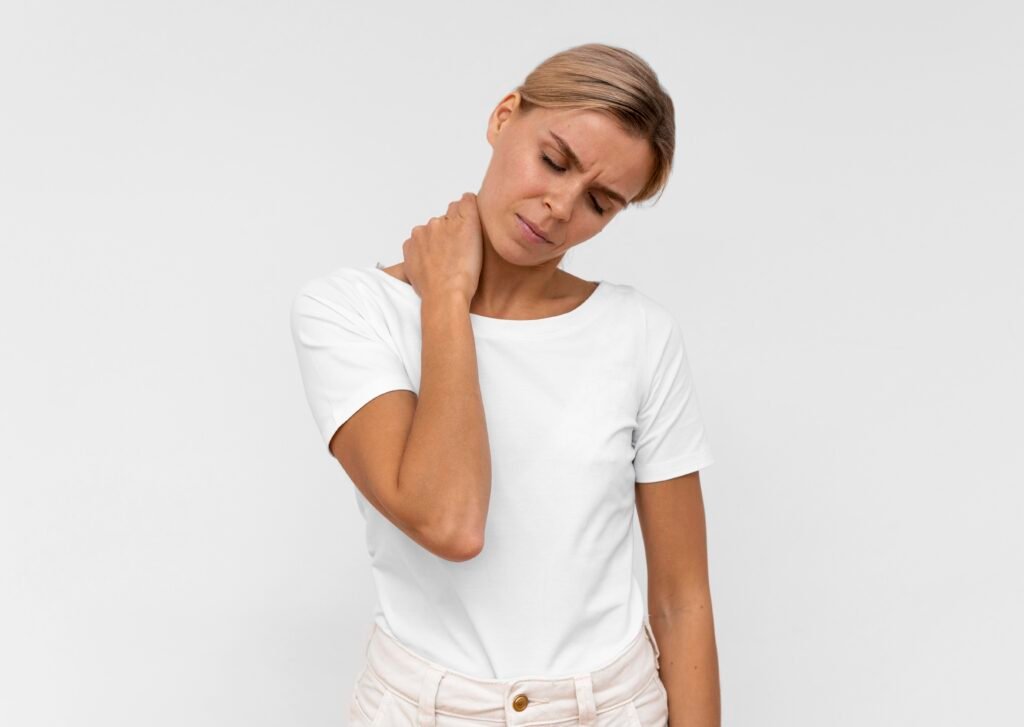
front view woman having neck pain

When midlife joint pain strikes, standard blood work often comes back completely clear, leaving many women without answers. Understanding how your fluctuating hormones affect your musculoskeletal health is the key to finding lasting relief.

What Causes Joint Pain in Perimenopause and Postmenopause?

The primary driver behind midlife joint aches is the fluctuation and eventual decline of estrogen.

Estrogen’s Anti-Inflammatory Shield

Estrogen keeps inflammation low. As levels drop, inflammation surges, causing joint pain, swelling, and stiffness.

Cartilage and Collagen Breakdown

Estrogen maintains collagen in cartilage and tendons. Falling levels thin this cushioning, leading to painful joint friction.

Loss of Joint Lubrication

Dropping hormones reduce synovial fluid, your joint's natural lubricant, causing that stubborn morning stiffness.

How to Treat and Manage Menopausal Joint Pain

Managing hormone-related joint stiffness requires a targeted approach that addresses the underlying hormonal cause while lowering systemic inflammation.

1. Bio-Identical Hormone Therapy 
⚖️ Medical / Clinical Focus 

2. Targeted Nutrition & Supplements
🥑 Nutrition / Whole Foods 

🐟 Omega-3s & Vitamin D3/K2 
🥗 Anti-Inflammatory Diet 

3. Joint-Friendly Movement
🧘‍♀️ Low-Impact Movement 

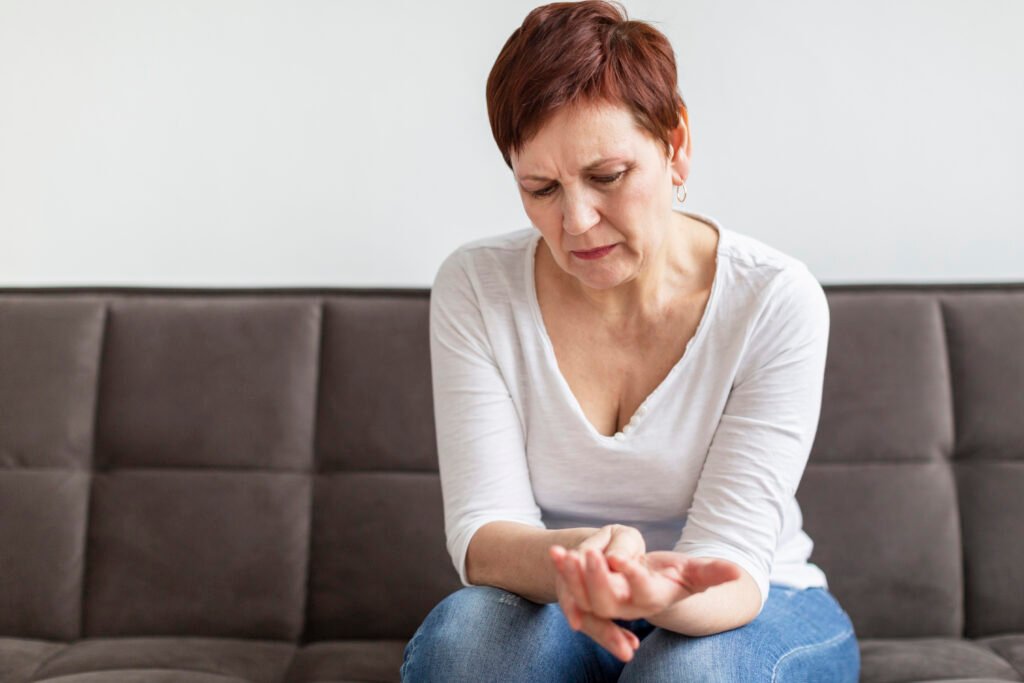
senior woman with medical problems (1)

You Don't Have to Live with Daily Joint Aches

Book your private virtual consultation today to learn how personalized hormone therapy can help you reclaim your mobility and feel like yourself again!

Menopause stage assessment: Understand your transition!

What stage of menopause are you in?

Navigating the changes in your body can be overwhelming, but you don't have to do it alone. This 2-minute assessment is designed to help you identify whether, and where, you might be in the menopause transition.

Answer a few questions about your recent cycles and symptoms to identify your probable stage of menopause. At the end, we will provide an initial guide to your current stage.

Note: This assessment is a guide and does not replace a clinical diagnosis. If you have urgent concerns, please reach out to us directly.